virginia vehicle inspection checklist pdf
Virginia Vehicle Inspection Checklist PDF: A Comprehensive Guide
Discover & Wire & in 134 languages: immerse yourself in translations, cultural meanings, and pronunciation. A complete guide for language enthusiasts and cultural researchers.
Understanding the Virginia Safety Inspection Program
The Virginia Safety Inspection Program is crucial for ensuring all vehicles on the road meet minimum safety standards, protecting drivers and passengers alike; This program, administered by the Virginia State Police, requires periodic vehicle inspections conducted at authorized inspection stations throughout the state. These inspections aren’t merely a formality; they are a comprehensive assessment of a vehicle’s critical components.
Key aspects include evaluating brakes, tires, lights, steering, suspension, and other vital systems. The program aims to identify and rectify potential safety hazards before they contribute to accidents. Understanding the program’s requirements is the first step towards a successful inspection. Resources like the official Virginia State Police website offer detailed information and the downloadable Virginia Vehicle Inspection Checklist PDF, aiding both vehicle owners and inspection technicians.
Translations and cultural context are also available in over 134 languages, promoting accessibility.
What Vehicles Require Inspection?
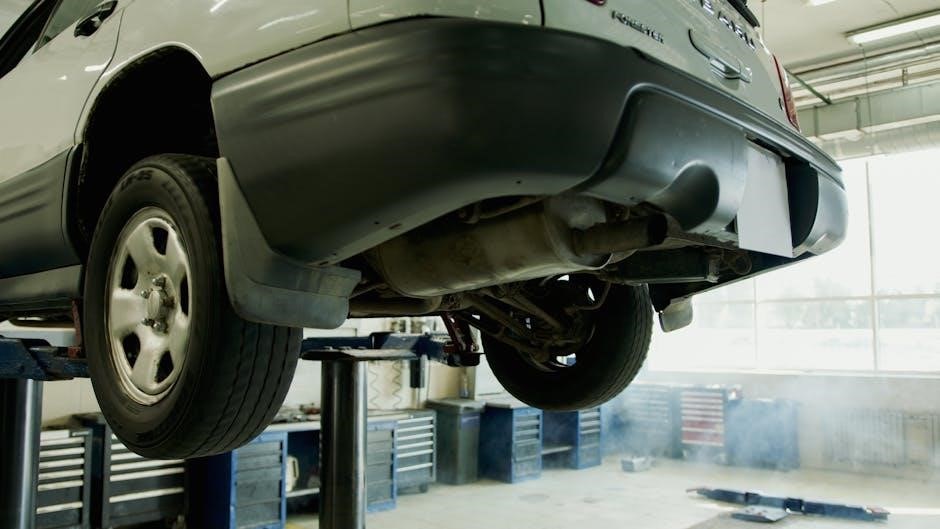
Generally, most motor vehicles registered in Virginia are subject to the safety inspection program. This encompasses cars, trucks, vans, SUVs, and motorcycles. However, certain exemptions exist. Vehicles over 25 years old are exempt, as are those used exclusively on private property. Farm vehicles and those registered as “historic” also typically avoid inspection requirements.
New vehicles receive a one-time inspection upon initial registration. Subsequently, they must adhere to the standard inspection schedule. Understanding these nuances is vital for vehicle owners. The Virginia Vehicle Inspection Checklist PDF details specific vehicle types and their inspection status. Resources like Dictionaries24.com offer translations for terms like “wire” and “zica” in multiple languages, aiding diverse communities. Checking translations into English provides clarity.
Google Translate offers instant translations for over 100 languages.
Inspection Frequency and Cost
Virginia mandates annual safety inspections for most vehicles. This means your vehicle must pass inspection every year to maintain valid registration. The inspection fee is capped at $16, though some vehicles requiring more extensive checks may incur slightly higher costs. It’s crucial to budget for this recurring expense as part of vehicle ownership.
The Virginia Vehicle Inspection Checklist PDF doesn’t detail pricing, but confirms the annual requirement. Resources like those offering translations of “čupav” or “žica” into English – with examples and pronunciation – highlight the importance of clear communication. Google’s translation service provides quick access to over 100 languages. Understanding inspection frequency prevents registration lapses and ensures road safety. Checking for synonyms, antonyms, and related words enhances comprehension.
Dictionaries24.com provides Croatian-English translations.
Key Components of the Virginia Vehicle Inspection
Explore & Wire & in 134 languages: delve into translations, cultural nuances, and pronunciation. A guide for linguistic and cultural explorers.
Brakes: Inspection Criteria
Check fuzzy translations into English. Look through examples of fuzzy translation in sentences, listen to pronunciation and learn grammar. The Virginia Safety Inspection program meticulously examines braking systems for optimal functionality and safety. Check wire translations into English. Inspectors verify the serviceability of brake lines, hoses, and master cylinders, ensuring no leaks or damage are present.
Brake pad thickness is critically assessed; pads must meet minimum thickness requirements for adequate stopping power. Rotors and drums are inspected for wear, scoring, and cracks. Proper operation of the parking brake is also confirmed. Google’s service, available at no extra cost, instantly translates words, phrases, and webpages from Croatian to over 100 other languages and vice versa. Furthermore, the inspection includes a functional test of the brakes, evaluating stopping distance and pedal feel to guarantee reliable performance on Virginia roadways.
Tires: Tread Depth and Condition
Mark translations of fuzzy into English. Look at examples of fuzzy translation in sentences, listen to pronunciation and learn grammar. Tire inspection is a crucial component of the Virginia Safety Inspection, directly impacting vehicle control and safety. Inspectors meticulously check tread depth, ensuring it meets the minimum legal requirement of 2/32 of an inch across all major tread areas.

Mark translations of wire into English. They also examine tires for any signs of damage, including cuts, bulges, sidewall cracks, and uneven wear patterns. Proper inflation is verified, as under- or over-inflated tires compromise handling and braking. Google’s service, available at no extra cost, instantly translates words, phrases, and webpages from Croatian to over 100 other languages and vice versa. The overall condition of each tire is assessed to ensure it poses no safety risk during operation on Virginia’s roads.
Lights: Functionality and Requirements
Highlight translations of fuzzy to English. Examine examples of fuzzy translation in sentences, listen to pronunciation, and learn grammar. Virginia’s vehicle inspection rigorously tests all exterior lights for proper functionality. This includes headlights (high and low beams), turn signals (front and rear), brake lights, tail lights, and license plate illumination.
Highlight translations of wire to English. Inspectors verify that each light emits the correct color and intensity, and that lenses are free from cracks or damage. Proper alignment of headlights is also checked to ensure optimal visibility without blinding oncoming traffic. Google’s service, available at no extra cost, instantly translates words, phrases, and webpages from Croatian to over 100 other languages and vice versa. Any malfunctioning or damaged lighting components will result in inspection failure, requiring immediate repair.
Steering and Suspension: Assessing Wear and Tear
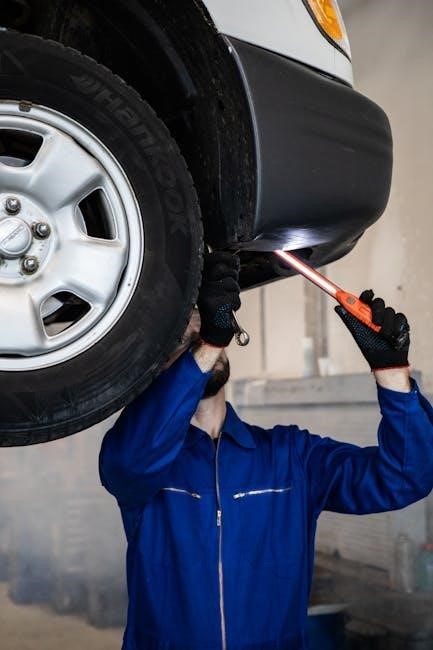
Mark translations of hairy to English. View examples of hairy translation in sentences, listen to pronunciation, and learn grammar. The Virginia safety inspection includes a thorough assessment of the steering and suspension systems. Inspectors check for excessive play in steering components, worn ball joints, damaged tie rod ends, and leaking shocks or struts.
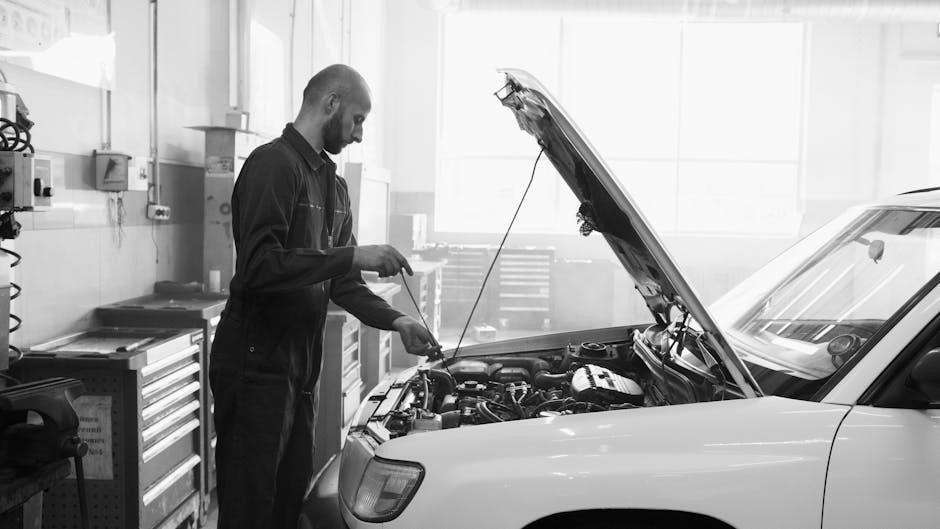
Mark translations of wire to English. They’ll also examine the condition of the suspension bushings and springs, looking for cracks, deterioration, or broken components. Google’s service, available at no extra cost, instantly translates words, phrases, and webpages from Croatian to over 100 other languages and vice versa. Excessive wear or damage in these areas compromises vehicle handling and safety, leading to inspection failure and requiring necessary repairs to ensure proper vehicle control.
Detailed Checklist Breakdown
Highlight translations of hairy to English. See examples of hairy translation in sentences, listen to pronunciation, and learn grammar – a comprehensive overview!
Windshield and Windows: Cracks and Obstructions
The inspection meticulously examines windshields and windows for any damage that could compromise driver visibility or vehicle safety. Cracks, chips, or excessive pitting are carefully assessed; specific size and location limitations apply. For instance, cracks within the critical viewing area – the section directly in the driver’s line of sight – are often immediate fail points, regardless of length.
Obstructions, such as stickers or foreign objects, are also scrutinized. Anything hindering clear vision is unacceptable; Tint levels must adhere to Virginia’s legal limits, ensuring adequate light transmission. Inspectors verify that window operation is smooth and functional, checking for proper movement and secure locking mechanisms. The goal is to guarantee unobstructed, clear visibility for the driver under all driving conditions, contributing to overall road safety. Any deficiencies discovered will necessitate repair before re-inspection.
Horn and Mirrors: Operational Standards
Virginia’s vehicle safety inspection rigorously tests the functionality of both the horn and mirrors, essential components for safe vehicle operation and communication. The horn must emit a clear and audible sound from a sufficient distance – typically at least 200 feet – to alert other drivers and pedestrians. Inspectors verify its proper operation with a simple test during the inspection process.
Regarding mirrors, the vehicle must be equipped with both a driver’s side and passenger’s side mirror. These mirrors need to be securely mounted, intact, and provide a clear, unobstructed view of the surrounding traffic. Broken or missing mirrors constitute an automatic failure. The inspection ensures these reflective surfaces are in optimal condition, enabling the driver to maintain awareness of their vehicle’s surroundings and execute safe maneuvers. Proper mirror adjustment is also implicitly expected for safe driving.
Exhaust System: Emissions and Safety
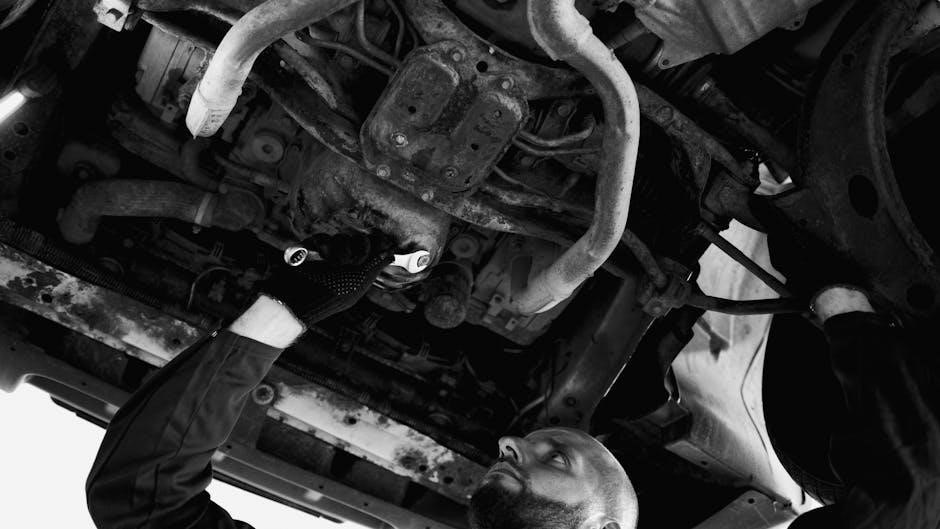
The Virginia Safety Inspection program places significant emphasis on the vehicle’s exhaust system, evaluating both its structural integrity and emissions control capabilities. Inspectors meticulously examine the entire exhaust system – from the manifold to the tailpipe – for leaks, corrosion, and secure connections. Any noticeable leaks pose a safety hazard, potentially introducing harmful gases into the vehicle’s cabin.
Furthermore, the inspection verifies the presence and proper functioning of the catalytic converter, a crucial component in reducing harmful emissions. Vehicles are subject to an emissions test to ensure they comply with Virginia’s air quality standards. Modifications to the exhaust system that circumvent emissions controls are strictly prohibited and will result in inspection failure. A properly functioning exhaust system is vital for both environmental protection and passenger safety.
Seat Belts: Proper Functioning
A critical aspect of the Virginia Safety Inspection is the thorough examination of all seat belts within the vehicle. Inspectors verify that each seat belt is present, securely mounted, and functions correctly. This includes checking the buckle mechanism for proper latching and release, as well as inspecting the webbing for any signs of fraying, tears, or damage.
Seat belts are essential safety devices, and any malfunction can significantly compromise occupant protection in the event of a collision. If a seat belt fails to latch, retract smoothly, or exhibits any visible damage, the vehicle will fail the inspection. Repair or replacement of the defective seat belt is required before the vehicle can be deemed roadworthy. Ensuring proper seat belt functionality is paramount for passenger safety and legal compliance.
Obtaining and Using the Inspection Checklist (PDF)
Check čupav translations into English. Look through examples in sentences, listen to pronunciation, and learn grammar – a valuable resource for understanding.
Where to Download the Official PDF
Google’s service, available at no extra cost, instantly translates words, phrases, and webpages from Croatian to over 100 other languages and vice versa. Finding the official Virginia vehicle inspection checklist PDF is readily achievable through several avenues. Dictionaries24.com provides a Croatian-English dictionary, showcasing translations for terms like “žica” (wire).
However, for the official Virginia document, the most reliable source is the Virginia State Police website. Navigate to the section dedicated to the Safety Inspection Program. There, you’ll typically find a downloadable PDF version of the current inspection checklist. Be sure to verify you are accessing the most up-to-date version, as forms can be revised periodically.
Alternatively, some authorized inspection stations may offer a copy of the checklist. Always prioritize downloading directly from the official state source to ensure accuracy and avoid outdated information. This guarantees you’re using the correct criteria for your vehicle inspection.
Interpreting the Inspection Report
Mark translations of “čupav” to English, viewing examples in sentences, listening to pronunciation, and learning grammar – a similar approach applies to understanding your Virginia vehicle inspection report. The report details each component inspected, noting whether it “passes” or “fails.” Pay close attention to any “failed” items, as these require repair before re-inspection.
The report will specify the reason for failure, often referencing a specific section of the inspection criteria. Terms like “wire” (žica in Croatian) might appear if electrical components are flagged. Understanding these notations is crucial.
A passed inspection indicates your vehicle meets minimum safety standards. Keep the report for your records. If repairs are needed, the report serves as a guide for the mechanic. Ensure all repairs are completed by a qualified technician and obtain documentation before returning for a re-inspection.
What Happens if Your Vehicle Fails?
Similar to marking translations of “žica” to English, understanding the consequences of a failed Virginia vehicle inspection is vital. If your vehicle doesn’t pass, you’ll receive a detailed report outlining the reasons for failure – perhaps related to “wire” connections or other components. You have 30 days to rectify the issues and return for a re-inspection, without needing to pay another inspection fee.
During this period, you cannot legally operate the vehicle on Virginia roads if the failure prevents safe operation. The inspection station will provide a list of necessary repairs. It’s crucial to address all failed items, not just the most obvious.
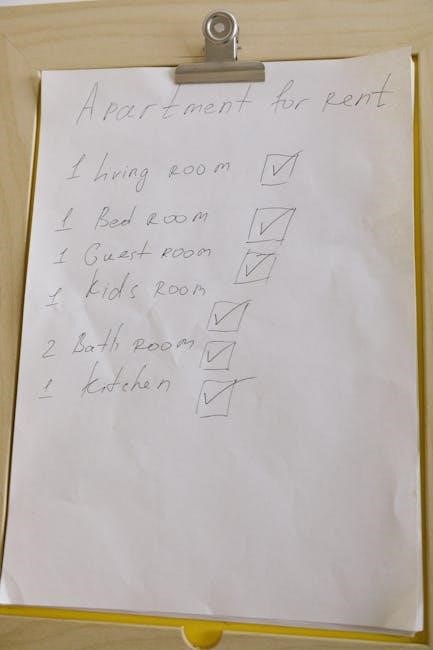
After repairs, obtain written proof from a registered Virginia repair facility. This documentation is essential when you return for the re-inspection. Failure to address the issues within 30 days requires a full re-inspection and payment of the standard fee.
Resources and Further Information
Like exploring “čupav” translations, delve deeper with the Virginia State Police Safety Inspection Program and their comprehensive FAQ section for detailed guidance.
Virginia State Police ⸺ Safety Inspection Program
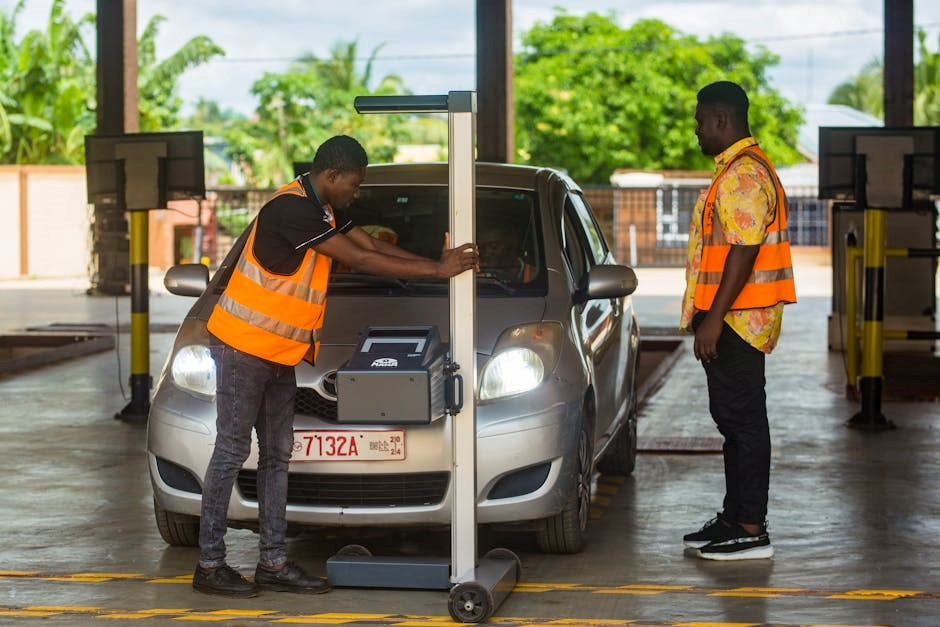
The Virginia State Police are the primary authority overseeing the vehicle safety inspection program within the Commonwealth. Their website serves as a crucial resource for both inspection stations and vehicle owners seeking detailed information regarding inspection procedures, regulations, and updates. You’ll find downloadable resources, including official inspection checklists mirroring the PDF format commonly sought after, alongside explanations of acceptable standards for various vehicle components.
Navigating their site provides access to inspector training materials, ensuring consistent application of inspection criteria across all authorized stations. For vehicle owners, the State Police website clarifies what constitutes a passing or failing inspection, outlining common reasons for failure and the necessary corrective actions. Furthermore, it details the process for appealing an inspection decision if you believe an error has occurred. Like understanding translations for terms like “žica,” the State Police site offers clarity on complex inspection requirements.

Direct links to relevant forms and contact information for the Safety Inspection Program are readily available, facilitating efficient communication and issue resolution. Regularly checking this official source ensures you have the most current and accurate information regarding Virginia’s vehicle safety standards.
Frequently Asked Questions (FAQ)
Q: Where can I find the official Virginia vehicle inspection checklist PDF? A: The Virginia State Police website is the definitive source. Numerous third-party sites offer checklists, but the State Police version ensures accuracy and reflects the latest regulations – much like reliable translations for words like “čupav.”
Q: What if my vehicle fails inspection? A: You’ll receive a detailed report outlining the reasons for failure. You must address these issues and return for a re-inspection within a specified timeframe.
Q: Is there a grace period after my inspection sticker expires? A: No, operating a vehicle with an expired inspection sticker is illegal.
Q: Can I inspect my own vehicle? A: No, inspections must be performed by a licensed Virginia inspection station.
Q: What documents do I need for inspection? A: Vehicle registration and insurance card are typically required. Understanding these requirements is as crucial as understanding the nuances of a language, like Croatian to English via “žica” translations.
Related Posts
essential elements flute book 1 pdf
Get Essential Flute Book 1 PDF at mojopet.com, your go-to site for free PDF downloads

fruits of the spirit coloring page pdf
Dive into faith & fun! ✨ Get your FREE printable Fruits of the Spirit coloring pages in PDF format. Perfect for kids, Sunday School, or a mindful moment. Download now!

hebrew from scratch part 1 pdf
Ready to speak Hebrew? ✨ Start your journey with our easy-to-follow ‘Hebrew from Scratch’ PDF! Perfect for beginners – download & learn today!