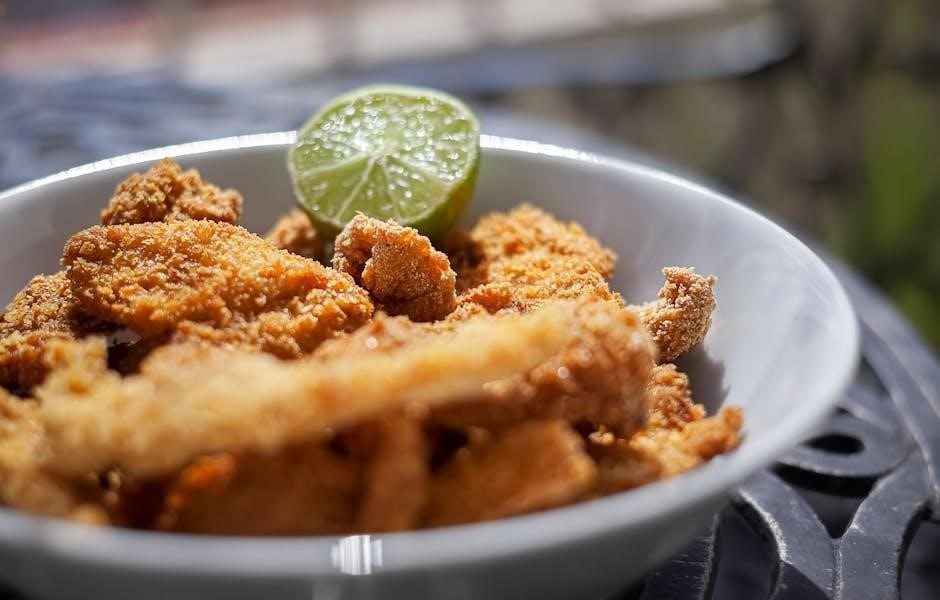
perdue chicken strips cooking instructions
Perdue Chicken Strips Cooking Instructions: A Comprehensive Guide (Updated 02/01/2026)
Perdue Crispy Chicken Strips offer convenience, being frozen and fully cooked with white meat. Enjoy a quick meal, from freezer to table in minutes!
Perdue chicken strips have become a staple in many households, celebrated for their convenience and delicious taste. These pre-seasoned, often pre-cooked strips offer a quick and easy meal solution for busy individuals and families. Crafted from all-natural chicken breast filets, Perdue prioritizes quality, ensuring a 100% yield per case for consistent portions.
What sets Perdue apart is their commitment to both flavor and food safety. The strips are marinated with natural herbs and spices, then oven-roasted and carved, delivering a taste-tempting experience every time. Being fully cooked and individually frozen, they provide ease of use and portion control, minimizing waste and maximizing convenience.
Whether you’re looking for a speedy weeknight dinner or a satisfying snack, Perdue chicken strips are a versatile option. This guide will explore various cooking methods, ensuring perfectly crispy and juicy results, every single time.
Understanding Perdue Chicken Strip Varieties
Perdue offers a diverse range of chicken strip products to cater to varying preferences and needs. While this guide focuses on general cooking principles, recognizing the specific variety you have is crucial for optimal results. The core offering includes fully cooked, whole muscle chicken strips, designed for ultimate convenience – simply heat and enjoy!
These strips are typically made with white meat chicken breast, ensuring a lean and healthy protein source. Some varieties may feature different seasoning blends, ranging from classic to bolder flavors. It’s important to check the packaging for specific ingredient lists and any unique cooking recommendations.
Furthermore, Perdue may offer breaded or unbreaded options, impacting cooking times and textures. Understanding these distinctions allows you to tailor your cooking method for the perfect crispy exterior and juicy interior. Always refer to the package instructions for the most accurate guidance related to your chosen Perdue chicken strip variety.
Benefits of Cooking Perdue Chicken Strips
Choosing Perdue chicken strips offers numerous benefits for busy individuals and families. Primarily, their fully cooked nature drastically reduces meal preparation time – a significant advantage on hectic weeknights. This convenience doesn’t compromise quality, as Perdue utilizes all-natural chicken breast filets, marinated with herbs and spices for a flavorful experience.
Furthermore, Perdue strips provide a consistent yield, ensuring you get a satisfying portion every time. Their individually frozen format allows for easy portion control, minimizing waste and simplifying meal planning. From a food safety perspective, being fully cooked offers peace of mind, reducing the risk associated with handling raw poultry.
Finally, Perdue chicken strips are incredibly versatile, lending themselves to various cooking methods and pairings. Enjoy them as a quick snack, a main course with sides, or incorporated into larger recipes – the possibilities are endless!
Cooking Methods for Perdue Chicken Strips
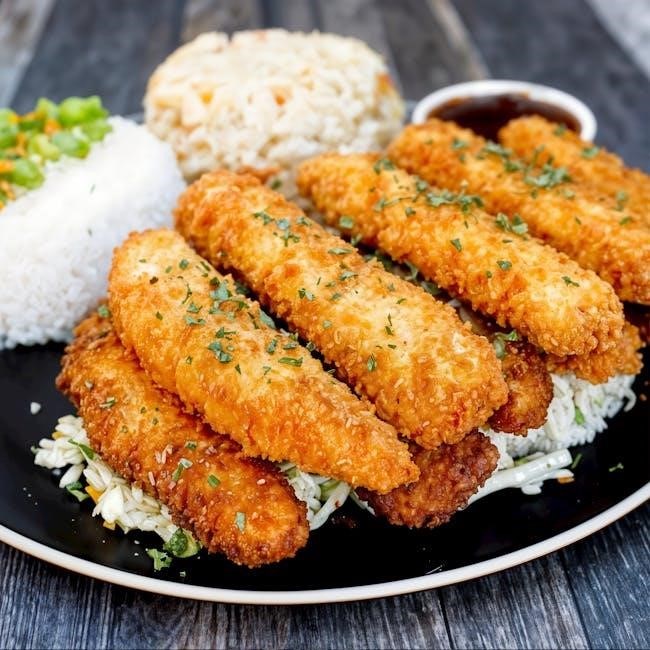
Perdue chicken strips are incredibly versatile! Enjoy them using an air fryer, oven, or skillet for a quick and delicious meal, tailored to your preference.
Air Fryer Cooking Instructions
Cooking frozen Perdue chicken tenders in an air fryer delivers a remarkably convenient and healthy meal. The air fryer creates a crispy exterior while maintaining a juicy interior, making it a preferred method for many. Preparing these strips in an air fryer is straightforward, offering a quick path to a satisfying dish.
To begin, ensure your air fryer is preheated. This step is crucial for achieving optimal crispiness. No additional oil is typically needed, as the strips are pre-seasoned and designed to cook effectively with circulating hot air. However, a light spray of oil can enhance the texture further. Arrange the frozen chicken strips in a single layer within the air fryer basket, avoiding overcrowding to ensure even cooking.
Remember, air frying provides a faster cooking time compared to traditional oven baking, making it ideal for busy weeknights. Following the recommended time and temperature guidelines will guarantee perfectly cooked, crispy Perdue chicken tenders every time.
Optimal Air Fryer Temperature
Achieving the perfect crispness with Perdue chicken strips in an air fryer hinges on maintaining the correct temperature. The generally recommended optimal temperature falls within the range of 380°F to 400°F (193°C to 204°C). This temperature range ensures the strips cook thoroughly while developing a desirable golden-brown and crispy exterior.
Starting with a preheated air fryer at 390°F (199°C) is a solid baseline. This provides sufficient heat to quickly cook the chicken from frozen, minimizing cooking time without compromising quality. Lower temperatures may result in soggy strips, while excessively high temperatures could lead to burning before the interior is fully cooked.
Consistent temperature is key; avoid opening the air fryer frequently during the cooking process, as this can disrupt the heat circulation. Monitoring the strips visually and adjusting the temperature slightly based on your specific air fryer model can further refine the results.
Air Fryer Cooking Time (Frozen)
When cooking Perdue chicken strips directly from frozen in an air fryer, expect a cooking time of approximately 12 to 15 minutes. This timeframe is a general guideline and can vary slightly depending on your air fryer model and the quantity of strips being cooked.
For optimal results, arrange the frozen strips in a single layer within the air fryer basket, ensuring they aren’t overcrowded. Overcrowding hinders proper air circulation, leading to uneven cooking. A light spray of oil can enhance crispiness, but isn’t strictly necessary.
Halfway through the cooking process – around the 6 to 8-minute mark – it’s crucial to shake the basket or flip the strips. This promotes even browning and ensures all sides become delightfully crispy. Always verify the internal temperature reaches 165°F (74°C) before consumption for food safety.
Air Fryer Cooking Time (Thawed)
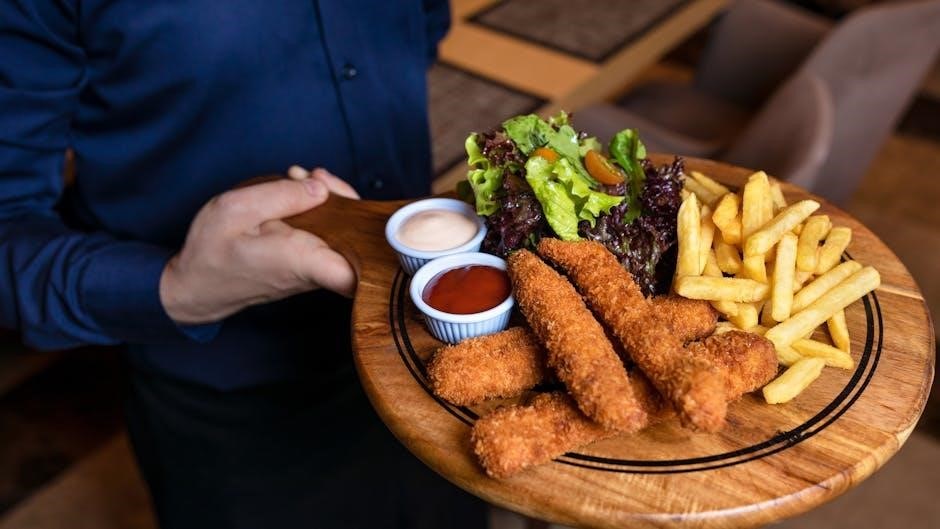
Cooking thawed Perdue chicken strips in an air fryer significantly reduces cooking time compared to frozen. Expect a cooking duration of approximately 8 to 10 minutes for perfectly crispy results. Again, this is an estimate, and slight adjustments may be needed based on your specific air fryer.
Arrange the thawed strips in a single layer within the air fryer basket, avoiding overcrowding to ensure even cooking. A light spray of oil can further enhance the crispiness and golden-brown appearance, though it’s optional.
Don’t forget to shake the basket or flip the strips halfway through – around the 4 to 5-minute mark – to promote uniform browning. Always confirm the internal temperature reaches 165°F (74°C) with a food thermometer before serving to guarantee food safety and a delicious meal.
Oven Baking Instructions
Oven baking provides a convenient method for cooking Perdue chicken strips, especially when preparing larger quantities. This method ensures even cooking and a satisfyingly crispy texture. Preheating your oven is crucial for optimal results, aiming for consistent heat distribution throughout the baking process.
Arrange the strips in a single layer on a baking sheet lined with parchment paper. This prevents sticking and simplifies cleanup. Avoid overcrowding the pan, as this can lead to steaming instead of baking, resulting in less crispy strips. A light coating of oil spray can enhance browning and crispiness, but isn’t essential.
Baking offers a hands-off approach, allowing you to focus on other meal preparations while the chicken cooks to perfection. Remember to check for an internal temperature of 165°F (74°C) to ensure safety.
Recommended Oven Temperature
For achieving perfectly cooked Perdue chicken strips in the oven, a temperature of 400°F (200°C) is highly recommended. This temperature strikes a balance between cooking the chicken through and creating a delightfully crispy exterior. Lower temperatures may result in longer cooking times and potentially less crispy strips, while higher temperatures could lead to burning before the inside is fully heated.
Preheating the oven to 400°F is essential for consistent results. Ensure the oven has reached the set temperature before placing the chicken strips inside. Using an oven thermometer can verify accuracy, as oven temperatures can sometimes vary. Maintaining this temperature throughout the cooking process is key to achieving optimal texture and doneness.
Consistent heat ensures even cooking, guaranteeing each strip is both safe and delicious.
Oven Baking Time (Frozen)
When baking frozen Perdue chicken strips, a baking time of approximately 20-25 minutes at 400°F (200°C) is generally recommended. However, this timeframe can vary slightly depending on your oven and the quantity of strips being cooked. It’s crucial to ensure the internal temperature reaches 165°F (74°C) for safe consumption.
Arrange the frozen strips in a single layer on a baking sheet lined with parchment paper or a silicone baking mat. This prevents sticking and promotes even cooking. Avoid overcrowding the pan, as this can steam the strips instead of baking them to a crispy finish.
Flip the strips halfway through the cooking time to ensure both sides are evenly browned and cooked. Regularly checking for doneness is vital, using a meat thermometer to confirm the internal temperature.
Oven Baking Time (Thawed)
Baking thawed Perdue chicken strips significantly reduces cooking time compared to frozen. A baking duration of 12-15 minutes at 400°F (200°C) is typically sufficient, though oven variations may necessitate slight adjustments. Achieving an internal temperature of 165°F (74°C) remains paramount for food safety.
Preheat your oven and arrange the thawed strips in a single layer on a baking sheet, again utilizing parchment paper or a silicone mat to prevent sticking. Maintaining space between each strip is key to achieving optimal crispiness, avoiding a steamed texture.
Flipping the strips halfway through the baking process ensures even browning and thorough cooking. Monitor closely and use a meat thermometer to verify the internal temperature before serving, guaranteeing a delicious and safely prepared meal.
Skillet/Pan-Frying Instructions
Pan-frying Perdue chicken strips offers a quick and satisfying cooking method, delivering a delightfully crispy exterior. Selecting the right pan and oil is crucial; a heavy-bottomed skillet, such as cast iron or stainless steel, distributes heat evenly. Opt for an oil with a high smoke point, like canola or vegetable oil, ensuring it coats the pan adequately.
Begin by heating approximately 1-2 tablespoons of oil over medium-high heat. Carefully place the strips in the hot pan, avoiding overcrowding. This ensures proper browning and prevents steaming. Cook for roughly 3-4 minutes per side, until golden brown and heated through.
Consistent monitoring and occasional adjustments to the heat are vital to prevent burning. Remember, achieving an internal temperature of 165°F (74°C) is essential for safe consumption.
Ideal Pan and Oil Choice
For optimal skillet-frying of Perdue chicken strips, selecting the appropriate cookware and oil is paramount. A heavy-bottomed skillet, ideally cast iron or stainless steel, is highly recommended. These materials ensure even heat distribution, preventing hot spots that can lead to uneven cooking or burning.
Regarding oil, choose one with a high smoke point to withstand the medium-high heat required for achieving a crispy exterior. Canola oil, vegetable oil, or even avocado oil are excellent choices. Avoid olive oil, as its lower smoke point can result in a burnt flavor and potential smoke.
Ensure the skillet is adequately coated with oil – approximately 1-2 tablespoons – before adding the chicken strips. This prevents sticking and promotes even browning.
Skillet Cooking Time (Frozen)
When cooking frozen Perdue chicken strips in a skillet, patience is key to ensuring they are cooked through while maintaining a crispy texture. Begin by heating 1-2 tablespoons of oil in a heavy-bottomed skillet over medium-high heat.
Carefully add the frozen strips in a single layer, avoiding overcrowding the pan. Cook for approximately 8-10 minutes on the first side, allowing them to brown and develop a golden-crisp exterior.
Flip the strips and continue cooking for another 7-9 minutes, or until the internal temperature reaches 165°F (74°C). Monitor closely, adjusting the heat if necessary to prevent burning. Remember, cooking times may vary depending on the thickness of the strips and your skillet’s heat retention.
Skillet Cooking Time (Thawed)
Cooking thawed Perdue chicken strips in a skillet is a remarkably quick and easy process, perfect for a fast weeknight meal. Start by heating approximately 1 tablespoon of oil in a skillet over medium-high heat. Ensure the skillet is adequately heated before adding the strips.
Place the thawed strips in a single layer, being careful not to overcrowd the pan – this ensures even cooking and optimal crisping. Cook for roughly 4-6 minutes per side, observing as they turn golden brown and develop a desirable crispy coating.
Reduce heat if needed to prevent burning. Always verify the internal temperature reaches 165°F (74°C) using a meat thermometer. Thawed strips cook significantly faster, so close monitoring is crucial for a perfectly cooked result.
Tips for Crispy Perdue Chicken Strips
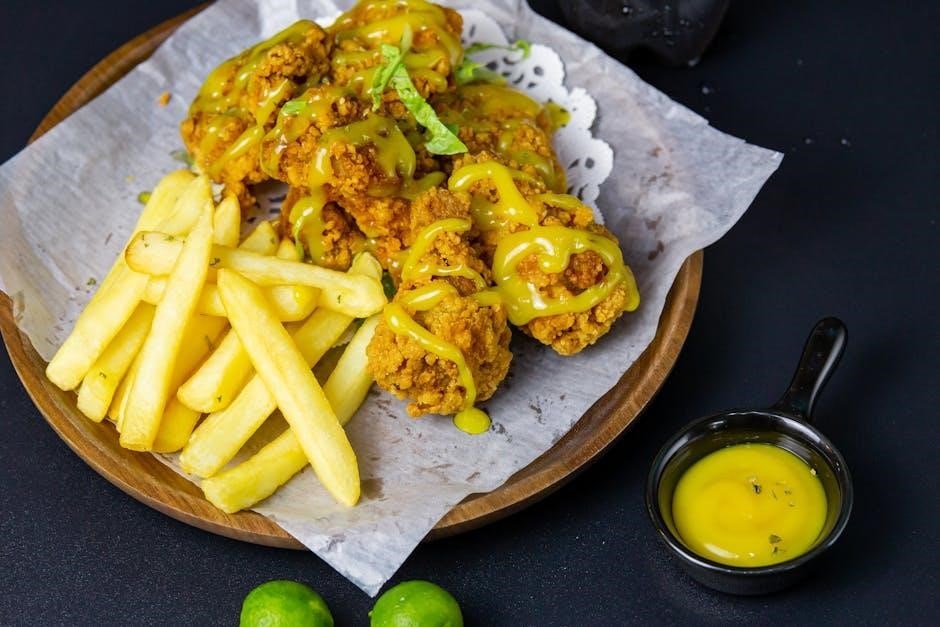
Achieving perfectly crispy Perdue chicken strips involves patting them dry, spraying with oil, cooking in batches, and shaking or flipping during the cooking process.
Pre-Cooking Preparation
Perdue chicken strips benefit greatly from a little preparation before cooking, regardless of your chosen method. For optimal crispiness, it’s recommended to gently pat the frozen strips dry with paper towels. This removes excess moisture, allowing for better browning and a more satisfying texture. While not strictly necessary, this simple step significantly enhances the final result.
Consider laying the strips out in a single layer on a baking sheet lined with paper towels for about 10-15 minutes before cooking. This allows for a slight thaw and further moisture reduction. However, avoid letting them sit for too long, as this can compromise the quality and potentially introduce bacteria.
Preheating your cooking appliance – whether it’s an air fryer, oven, or skillet – is also crucial. A hot surface ensures immediate searing, locking in juices and promoting that desirable crispy exterior. Proper preparation sets the stage for perfectly cooked, delicious Perdue chicken strips every time.
Oil Spraying Techniques
Achieving truly crispy Perdue chicken strips relies heavily on proper oil application, especially when air frying or baking. Avoid simply pouring oil directly onto the strips, as this can lead to uneven coating and soggy results. Instead, utilize an oil sprayer to distribute a light, even layer across the surface.
High-heat oils like avocado, canola, or vegetable oil are ideal choices. Hold the sprayer approximately 6-8 inches away from the strips and apply a quick, sweeping motion. The goal is to create a very thin, almost imperceptible coating – too much oil will hinder crisping.
For best results, flip the strips and repeat the spraying process on the other side. This ensures complete coverage and maximizes crispiness. Remember, a little oil goes a long way! Consistent, light application is key to achieving that golden-brown, perfectly textured Perdue chicken strip.
Importance of Cooking in Batches
When cooking Perdue chicken strips, particularly in an air fryer or oven, resisting the urge to overcrowd the cooking space is crucial. Cooking in batches ensures optimal airflow around each strip, which is essential for achieving maximum crispiness. Overcrowding lowers the temperature and creates steam, resulting in softer, less appealing strips.
Arrange the strips in a single layer, leaving space between each piece. This allows the hot air to circulate effectively, promoting even cooking and browning. While it may take slightly longer to cook all the strips, the improved texture and quality are well worth the extra time.
Avoid stacking or overlapping the strips, as this will prevent them from crisping properly. Prioritize quality over speed – cooking in batches is a simple step that dramatically elevates the final result of your Perdue chicken strip experience.
Shaking/Flipping During Cooking
To guarantee evenly cooked and exceptionally crispy Perdue chicken strips, incorporating a shaking or flipping step mid-way through the cooking process is highly recommended. This simple action prevents sticking and ensures all sides of the strips are exposed to the heat source, whether it’s the circulating air in an air fryer or the oven’s radiant warmth.
For air frying, pause the cooking cycle halfway through and gently shake the basket to redistribute the strips. In the oven, carefully flip each strip using tongs. This maneuver promotes uniform browning and prevents one side from becoming overly crispy while the other remains pale.
Don’t skip this step! It’s a key factor in achieving that desirable golden-brown exterior and juicy interior that makes Perdue chicken strips so enjoyable. Consistent heat exposure equals consistently delicious results.
Safety and Storage Guidelines
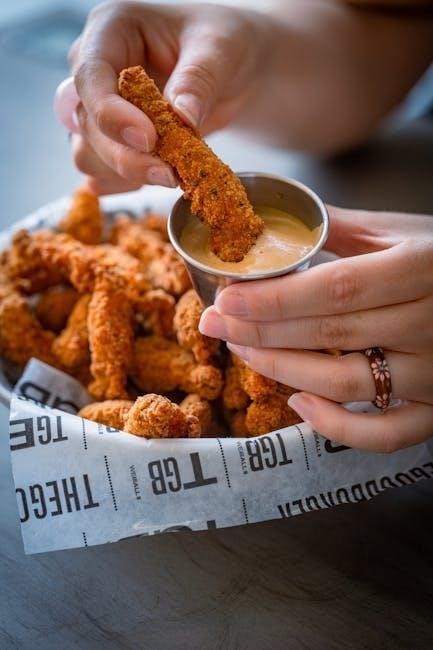
Ensure Perdue chicken strips reach an internal temperature of 165°F (74°C) for safety. Store leftovers promptly in the refrigerator and reheat thoroughly.
Internal Temperature Check
Ensuring your Perdue chicken strips reach a safe internal temperature is paramount for preventing foodborne illness. Always use a reliable food thermometer to verify doneness, as visual cues can be deceptive. The United States Department of Agriculture (USDA) recommends cooking all poultry to an internal temperature of 165°F (74°C).
Insert the thermometer into the thickest part of a chicken strip, avoiding any bone. Multiple strips should be checked to guarantee even cooking. If the temperature hasn’t reached 165°F, continue cooking for a few more minutes and recheck. Remember that carryover cooking will slightly increase the temperature after removal from the heat source.
Prioritizing this step safeguards your health and ensures a delicious, worry-free meal. Don’t risk undercooked poultry; a quick temperature check is a small effort with significant benefits. Consistent temperature monitoring is a key component of safe food handling practices.
Proper Storage of Leftovers
Storing leftover Perdue chicken strips correctly is crucial to maintain quality and prevent bacterial growth. Promptly refrigerate any uneaten portions within two hours of cooking. Transfer the strips to airtight containers or resealable plastic bags, removing as much air as possible to minimize freezer burn and maintain texture.
Refrigerated leftovers will remain safe to eat for 3-4 days. For longer storage, freezing is recommended. Properly stored frozen chicken strips can last for up to 2-3 months without significant quality loss; Label containers with the date to easily track storage time.
Always practice good hygiene when handling leftovers. Avoid cross-contamination by using clean utensils and surfaces. Properly stored Perdue chicken strips offer a convenient and safe option for quick meals later on, ensuring minimal waste and maximum enjoyment.
Reheating Instructions
Reheating Perdue chicken strips properly ensures they remain delicious and safe to eat. The best method depends on your preference and time constraints. For optimal crispiness, the air fryer is highly recommended. Reheat at 350°F (175°C) for 3-5 minutes, flipping halfway through.
Alternatively, you can reheat in the oven. Place the strips on a baking sheet and bake at 350°F (175°C) for 8-10 minutes, or until heated through. For a quicker option, microwave the strips on a microwave-safe plate for 30-60 seconds, but note this may result in a softer texture.
Ensure the internal temperature reaches 165°F (74°C) before consumption. Regardless of the method, avoid overcrowding the cooking surface for even heating. Enjoy your reheated Perdue chicken strips as a convenient and tasty meal!
Related Posts
farberware coffee maker instructions
Struggling with your Farberware coffee maker? Our simple, step-by-step instructions will have you brewing delicious coffee in no time! Get back to enjoying your morning cup.☕

what instructional coaching is and is not
Discover the ins and outs of instructional coaching! Learn how it transforms teaching and student learning with expert strategies and practical tips.
tyson chicken nuggets cooking instructions
Learn how to cook Tyson chicken nuggets perfectly every time! Get quick, easy, and delicious cooking instructions here.