
dodge charger manual
Dodge Charger Manual Transmission: A Comprehensive Guide (2006-2023)
Navigating the world of Dodge Charger manuals requires understanding potential issues‚ from clutch problems to transmission noises; diagnostic codes are crucial for pinpointing concerns․
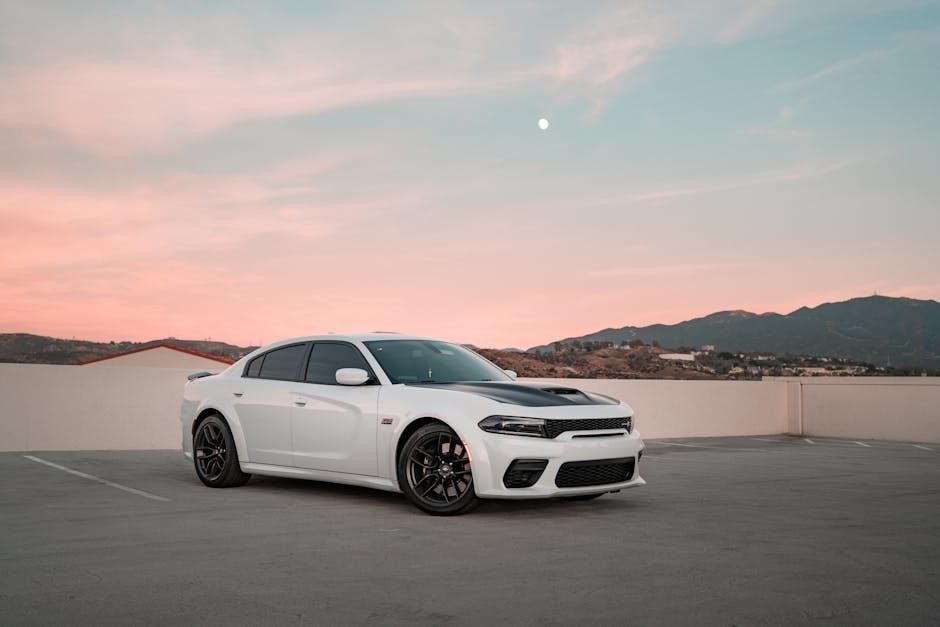
The Dodge Charger‚ a muscle car icon‚ offered enthusiasts the engaging driving experience of a manual transmission across several generations‚ specifically from 2006 to 2023․ While not as common as the automatic variants‚ these manual Chargers hold a special appeal for drivers who prefer complete control over gear selection and engine RPM․ Understanding these transmissions – their types‚ maintenance needs‚ and potential issues – is vital for owners and prospective buyers alike․

This guide delves into the specifics of Dodge Charger manual transmissions‚ covering everything from historical availability to detailed troubleshooting․ We’ll explore the different transmission models used‚ how to identify which one your Charger has‚ and essential maintenance procedures․ Furthermore‚ we’ll address common problems‚ diagnostic trouble codes‚ and whether DIY repairs are feasible or if professional service is recommended․ Ultimately‚ this resource aims to empower you with the knowledge to keep your manual Charger running smoothly for years to come․
Historical Overview of Manual Options
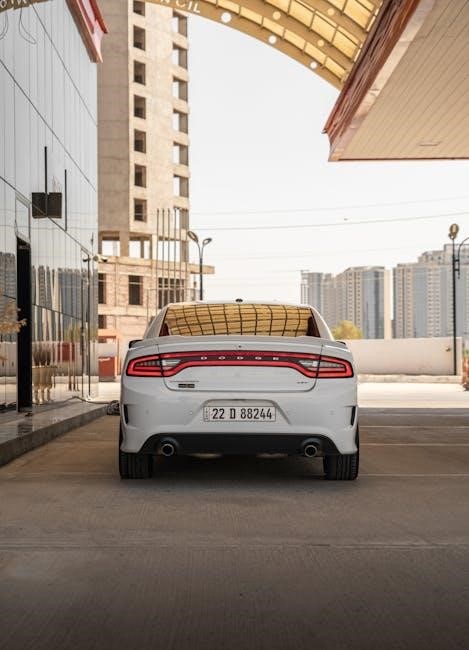
The availability of manual transmissions in the Dodge Charger has fluctuated throughout its modern production run (2006-2023)․ Initially‚ with the reintroduction of the Charger in 2006‚ a manual option was offered‚ catering to a segment desiring a more connected driving experience․ However‚ this offering wasn’t consistent across all model years or engine configurations․ The V6 models were more frequently paired with a manual gearbox‚ while the powerful HEMI V8s largely remained exclusive to automatic transmissions․
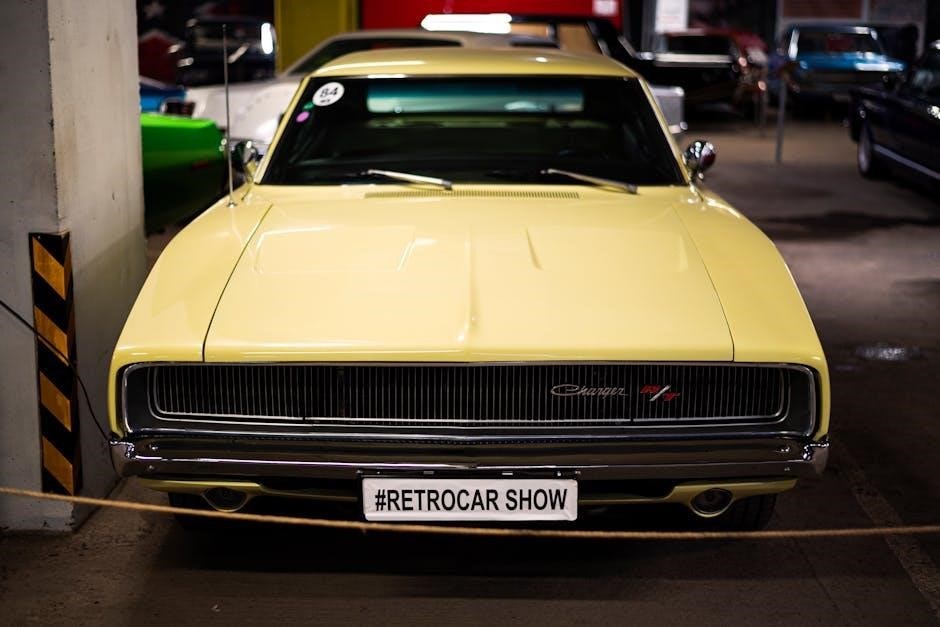
Over time‚ the manual transmission became increasingly rare‚ reflecting shifting consumer preferences towards automatics․ By 2010‚ the manual option was discontinued for the Charger․ This scarcity has contributed to a higher value and desirability among enthusiasts seeking a unique and engaging Charger experience․ Understanding this historical context is crucial when researching or purchasing a manual Charger‚ as it impacts availability and potential resale value․
Common Manual Transmission Models
During the years Dodge offered manual transmissions in the Charger (2006-2010)‚ two primary models were utilized‚ each with distinct characteristics․ The NV3550‚ a five-speed manual‚ was prevalent in the earlier years (2006-2008)‚ known for its robust construction and relatively straightforward operation; It was commonly paired with the V6 engine options․ Later‚ from 2008-2010‚ the Tremec T56 six-speed manual transmission became available‚ offering a more refined and sporty driving experience․
The T56 was often found in Charger R/T models‚ providing closer gear ratios and enhanced performance․ Identifying which transmission is present in a specific Charger is vital for maintenance and repair purposes‚ as parts and procedures differ between the two․ Knowing these models helps enthusiasts understand the driving dynamics and potential issues associated with each transmission․
NV3550 (2006-2008)
The New Venture Gear NV3550‚ utilized in 2006-2008 Dodge Chargers‚ is a durable five-speed manual transmission favored for its reliability and simplicity․ Commonly paired with V6 engines‚ it provides a solid foundation for daily driving․ However‚ owners often report issues with synchro wear‚ particularly in second and third gear‚ leading to grinding during shifts․ Clutch master cylinder failures are also relatively common‚ manifesting as a soft or spongy pedal feel․

Regular fluid checks‚ though often overlooked due to the lack of a dipstick‚ are crucial for longevity․ Addressing any unusual noises promptly is recommended․ While not as sophisticated as the later Tremec T56‚ the NV3550 remains a capable transmission when properly maintained‚ offering a classic manual driving experience․
Tremec T56 (2008-2010)

The Tremec T56‚ introduced in 2008-2010 Dodge Chargers‚ represents a significant upgrade over the NV3550‚ offering smoother shifts and increased durability․ This six-speed manual transmission was typically found in higher-performance Charger models‚ providing a more engaging driving experience․ While generally robust‚ the T56 isn’t immune to issues․ Owners sometimes report problems with the shifter linkage‚ leading to difficulty selecting gears‚ and occasional bearing noise․
Maintaining proper fluid levels is vital‚ though‚ like the NV3550‚ it lacks a traditional dipstick․ Regular inspection of the shifter mechanism and addressing any play is recommended․ The T56’s stronger construction makes it a popular choice for modifications and upgrades‚ but consistent maintenance remains key to its long-term reliability․
Identifying Your Charger’s Manual Transmission
Accurately identifying your Dodge Charger’s manual transmission is crucial for proper maintenance and repair․ The two primary options are the NV3550 (2006-2008) and the Tremec T56 (2008-2010)․ A visual inspection can offer clues; however‚ the most reliable method involves checking the transmission’s identification tag․ This tag‚ usually located on the transmission case‚ contains a specific part number․
The NV3550 is a five-speed‚ while the T56 is a six-speed․ Vehicle build date and original equipment specifications can also help narrow down the possibilities․ Online Dodge Charger forums and parts databases can assist in decoding the transmission tag number․ Knowing your transmission model ensures you use the correct fluids‚ parts‚ and repair procedures‚ preventing potential damage and ensuring optimal performance․
Routine Maintenance for Manual Transmissions
Consistent routine maintenance is paramount for extending the life of your Dodge Charger’s manual transmission․ This includes regular fluid checks – though many Chargers lack a traditional dipstick‚ requiring specialized tools for level assessment․ Clutch inspection is vital; monitor for slipping‚ sticking‚ or unusual noises․ Periodically examine the shifter linkage for wear and proper adjustment‚ ensuring smooth gear selection․
Preventative maintenance minimizes the risk of costly repairs․ Address any unusual sounds or changes in shifting behavior promptly․ Following the manufacturer’s recommended service intervals‚ and utilizing the correct fluids‚ will contribute significantly to the longevity and reliability of your manual transmission․ Don’t neglect these crucial steps!
Fluid Checks and Changes
Checking the transmission fluid in your Dodge Charger’s manual transmission is crucial‚ but often differs from automatic setups․ Many Charger models‚ particularly those with the 722․6/NAG1 transmission‚ lack a traditional dipstick․ Accessing the fluid level requires a specialized dipstick purchased separately‚ inserted into the dipstick tube․ Regularly inspect the fluid’s condition – look for discoloration or a burnt smell‚ indicating potential issues․
Fluid changes are essential for maintaining optimal performance․ Consult your owner’s manual for recommended intervals․ Using the correct fluid type is paramount; incorrect fluid can cause significant damage․ If unsure‚ consult a professional mechanic to ensure proper fluid level and type for your specific Charger model․
Clutch Inspection and Adjustment
Regular clutch inspection is vital for a smooth driving experience in your Dodge Charger․ Look for signs of slipping‚ indicated by the engine revving higher without a corresponding increase in speed․ Sticking can manifest as difficulty shifting gears‚ while unusual noises – squealing or grinding – suggest wear or damage․ Inspect the clutch disc for wear and the pressure plate for damage․
Clutch adjustment‚ if applicable to your model‚ ensures proper engagement and disengagement․ Incorrect adjustment can lead to premature wear or difficulty shifting․ If you’re uncomfortable performing these checks or adjustments yourself‚ it’s best to consult a qualified mechanic to avoid further complications and maintain optimal clutch performance․
Shifter Linkage Maintenance
Maintaining the shifter linkage in your Dodge Charger’s manual transmission is crucial for precise gear selection․ Over time‚ the linkage can become loose or worn‚ resulting in sloppy shifting or difficulty finding the desired gear․ Regularly inspect the linkage components – including the shift lever‚ connecting rods‚ and bushings – for any signs of wear‚ damage‚ or looseness․
Lubricating the linkage points can help ensure smooth operation․ Tighten any loose connections and replace worn bushings promptly․ If you experience persistent shifting issues‚ a professional inspection is recommended to diagnose and address any underlying problems within the linkage system‚ ensuring accurate and reliable gear changes․
Common Problems with Dodge Charger Manual Transmissions
Dodge Charger manual transmissions‚ while robust‚ aren’t immune to issues․ Frequent complaints include clutch problems – slipping‚ sticking‚ or unusual noises – signaling wear or damage․ Synchro issues often manifest as grinding gears‚ particularly when shifting quickly․ Shifter problems can lead to difficulty selecting gears‚ potentially stemming from worn linkage or internal transmission components․
Transmission noises‚ like whining or clunking‚ can indicate internal wear or fluid issues․ Diagnostic Trouble Codes (DTCs) are invaluable for pinpointing the source of the problem․ Addressing these issues promptly prevents further damage and maintains the vehicle’s drivability․ Regular maintenance and attentive driving habits can mitigate many of these common concerns․
Clutch Issues (Slipping‚ Sticking‚ Noise)
Clutch problems are frequently reported in Dodge Charger manuals․ Slipping occurs when the clutch fails to fully engage‚ resulting in lost power and increased engine RPM․ Sticking can make shifting difficult‚ sometimes requiring excessive force or preventing gear selection altogether․ Unusual noises‚ like squealing or grinding‚ often indicate worn or damaged components within the clutch assembly․
These issues can stem from a worn clutch disc‚ a failing throw-out bearing‚ or a hydraulic system malfunction․ Inspecting the clutch linkage and master/slave cylinders is crucial․ Addressing these problems promptly prevents further transmission damage and restores optimal driving performance․ Regular clutch inspection and proper driving techniques can extend its lifespan․
Synchro Problems (Grinding Gears)
Grinding gears in a Dodge Charger manual transmission typically points to synchronization issues․ Synchronizers‚ or “synchros‚” are crucial for matching the speeds of the gears before engagement‚ enabling smooth shifting․ When worn or damaged‚ they fail to properly synchronize‚ resulting in that unpleasant grinding noise‚ especially when shifting into specific gears․
This often manifests as difficulty engaging a gear‚ requiring double-clutching or forceful shifting․ Identifying which gear consistently grinds helps pinpoint the faulty synchro․ While minor grinding can sometimes be tolerated‚ persistent issues necessitate repair or replacement․ Ignoring synchro problems can lead to further transmission damage and potentially complete gear failure‚ requiring a more extensive and costly overhaul․
Shifter Issues (Difficulty Selecting Gears)
Experiencing difficulty selecting gears in your Dodge Charger’s manual transmission can stem from several sources‚ often related to the shifter linkage or internal transmission components․ A common issue involves worn or loose shifter linkage‚ creating excessive play and making precise gear engagement challenging․ This can manifest as vague shifting‚ where the shifter feels sloppy or doesn’t firmly locate in each gear․
Internal transmission problems‚ like bent shift forks or damaged detent pins‚ can also contribute to shifting difficulties․ Sometimes‚ the issue isn’t the shifter itself‚ but rather a clutch that isn’t fully disengaging‚ hindering smooth gear changes․ Thorough inspection of the linkage‚ bushings‚ and internal components is crucial for accurate diagnosis and repair‚ preventing further damage and restoring proper shifting function․
Transmission Noises (Whining‚ Clunking)
Unusual noises emanating from your Dodge Charger’s manual transmission are often indicators of underlying mechanical problems demanding immediate attention․ A whining sound frequently suggests worn bearings within the transmission‚ potentially due to insufficient lubrication or prolonged use․ Clunking noises‚ particularly during gear changes or when shifting into reverse‚ can point to excessive play in the gears or damaged synchronizers․
These sounds often worsen with vehicle operation and can signify significant internal wear․ Ignoring these noises can lead to catastrophic failure․ A thorough inspection‚ including fluid level checks and internal component examination‚ is vital to pinpoint the source of the noise and prevent further damage․ Addressing these issues promptly can save you from costly repairs down the road․
Diagnostic Trouble Codes (DTCs) Related to Manual Transmissions
Retrieving and interpreting Diagnostic Trouble Codes (DTCs) is a crucial first step when diagnosing issues with your Dodge Charger’s manual transmission․ While manual transmissions have fewer electronically controlled components than automatics‚ DTCs can still provide valuable insights; Codes might relate to the Vehicle Speed Sensor (VSS)‚ which impacts speedometer function and potentially transmission control systems․
Other codes could indicate issues with the clutch switch‚ signaling problems with clutch engagement․ A scan tool is essential for accessing these codes․ Understanding the specific code definitions is paramount; a generic code reader isn’t always sufficient․ Remember‚ a DTC points to a system issue‚ not necessarily a specific failed part‚ requiring further investigation․
Checking for Transmission Codes
To check for transmission-related DTCs in your Dodge Charger‚ you’ll need an OBD-II scanner․ These scanners connect to the diagnostic port‚ typically located under the dashboard․ Turn the ignition to the “ON” position (engine off) and connect the scanner․ Navigate the scanner’s menu to select “Read Codes” or a similar option․
The scanner will display any stored trouble codes․ Note these codes down‚ as they’ll be vital for diagnosis․ Some scanners offer code definitions‚ but it’s best to consult a reliable repair database for accurate descriptions․ Clear the codes after recording them‚ then test drive the vehicle to see if they reappear․ Recurring codes indicate a persistent problem needing attention․
Understanding Transmission Fluid Levels (If Applicable)
Unlike many automatic transmissions‚ most Dodge Charger manual transmissions do not have a traditional dipstick for checking fluid levels․ This is a crucial distinction! However‚ fluid level is still important․ Checking typically requires specialized tools and procedures‚ often involving removal of a fill plug located on the transmission itself․
If your Charger utilizes a manual transmission with a fill plug‚ ensure the vehicle is level and the transmission is at operating temperature before checking․ Fluid should be visible at the fill plug opening․ Low fluid can cause shifting issues and damage․ Always use the manufacturer-recommended fluid type․ Incorrect fluid can lead to severe transmission problems․ Consult a service manual for precise instructions and fluid specifications․
Troubleshooting Intermittent Transmission Issues
Intermittent transmission problems in a Dodge Charger manual can be incredibly frustrating to diagnose․ Often‚ these issues stem from electrical connections‚ worn components exhibiting temperature sensitivity‚ or even low fluid levels (though less common in manuals)․ Start by thoroughly inspecting all wiring harnesses and connectors related to the transmission‚ looking for corrosion or loose connections․
Pay close attention to when the issue occurs – is it only when cold‚ hot‚ or under specific load conditions? This provides valuable clues․ If the problem temporarily resolves after restarting the car‚ suspect a clogged transmission pump filter․ Documenting the frequency and conditions surrounding the issue is vital for a mechanic if professional help is needed․
DIY Repairs vs․ Professional Service
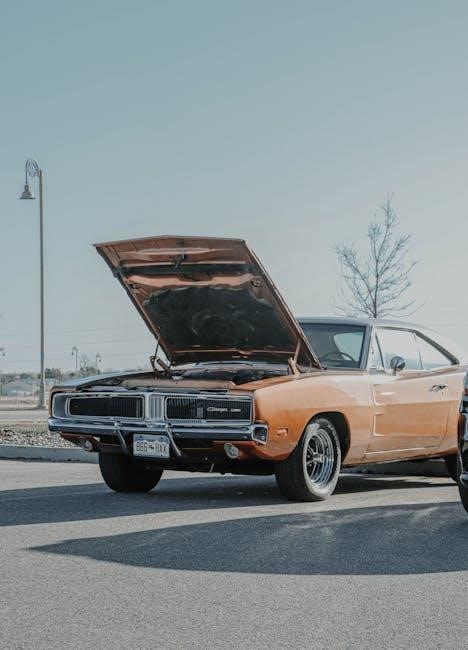
Determining whether to tackle Dodge Charger manual transmission repairs yourself or seek professional assistance depends heavily on your mechanical skill and the complexity of the problem․ Routine maintenance like fluid checks (if applicable) and shifter linkage adjustments are generally within the scope of a reasonably skilled DIYer․
However‚ internal transmission work – such as clutch replacement‚ synchronizer repair‚ or addressing significant gear grinding – requires specialized tools‚ knowledge‚ and experience․ Incorrectly performed repairs can lead to further damage and costly consequences․ If diagnostic trouble codes indicate a serious issue‚ or if you lack confidence‚ a qualified mechanic is the best course of action․ Prioritize safety and avoid attempting repairs beyond your capabilities․
Resources for Dodge Charger Manual Transmission Parts
Sourcing parts for your Dodge Charger’s manual transmission requires exploring various avenues‚ balancing cost‚ quality‚ and availability․ Online retailers like RockAuto‚ Summit Racing‚ and American Powertrain offer extensive catalogs‚ often with competitive pricing and detailed specifications․ Local auto parts stores can provide quicker access to common components like clutch kits‚ fluids‚ and shifter bushings․
For hard-to-find or specialized parts‚ consider salvage yards specializing in Mopar vehicles or dedicated Dodge Charger forums where members often sell used or NOS (New Old Stock) parts․ When purchasing‚ verify compatibility with your specific transmission model (NV3550 or Tremec T56) and year․ Prioritize reputable suppliers to ensure quality and avoid counterfeit components․
Modifications and Upgrades for Manual Transmissions
Enhancing a Dodge Charger’s manual transmission can significantly improve performance and driving experience․ Clutch upgrades‚ such as heavy-duty pressure plates and performance discs‚ are popular for handling increased horsepower․ Short-throw shifters reduce throw distance for quicker‚ more precise gear changes‚ improving driver engagement․
Upgraded shifter bushings minimize slop and provide a firmer feel․ For high-performance builds‚ consider stronger internal components like upgraded synchronizers and gears․ Exploring aftermarket flywheels can optimize engine response and acceleration․ Remember that modifications may affect warranty coverage and require professional installation for optimal results and reliability․ Careful research and planning are crucial before undertaking any upgrades․
Selling a Dodge Charger with Transmission Problems
Selling a Dodge Charger with manual transmission issues requires transparency and realistic expectations․ Disclosing all known problems is legally and ethically essential․ Expect a significantly reduced sale price‚ reflecting the cost of repairs․ Options include selling privately to a mechanic or enthusiast willing to tackle the repair‚ or trading it in – though the trade-in value will be considerably lower․
Obtain a pre-sale inspection report to demonstrate honesty and provide potential buyers with a clear understanding of the issues․ Be prepared to negotiate and potentially cover some repair costs to facilitate the sale․ Document all communication and agreements․ Consider the convenience of selling to a junkyard if repairs are too costly or impractical․
Future of Manual Transmissions in Dodge Chargers
The future of manual transmissions in Dodge Chargers appears increasingly uncertain‚ mirroring industry-wide trends․ Declining consumer demand and a focus on performance-oriented automatics suggest limited prospects for a manual option in future Charger generations․ While enthusiasts champion the driver engagement of a manual gearbox‚ manufacturers prioritize broader market appeal and fuel efficiency gains offered by automatics․
However‚ a potential resurgence of enthusiast-focused models could see a limited-edition manual Charger‚ catering to a niche market․ The current shift towards electric vehicles further complicates the equation‚ as electric powertrains don’t inherently require traditional multi-gear transmissions․ Ultimately‚ the decision hinges on market analysis and Dodge’s strategic direction․
Related Posts
honeywell pro 4000 installation manual
Overview The Pro 4000 series delivers advanced HVAC control, integrating sensors, thermostats, and BMS forRead More
db power jump starter manual
Get the DB Power jump starter manual in minutes—step‑by‑step instructions, safety tips, and quick fixes to keep your vehicle running when you need it most.

canon mg2522 manual
The Canon MG2522 is a compact all‑in‑one printer that delivers clear prints and fast scans․Read More